
中
NEWS
21
2023
-
09
Everything You Need to Know about Lighting a Bulb in the Interior Design Industry
Introduction:
Lighting plays a crucial role in enhancing the ambiance of any space. In the interior design industry, lighting a bulb correctly is essential to create the desired atmosphere. In this article, we will provide you with practical information on lighting a bulb in the context of the "building and decorative materials - indoor lighting fixtures - other indoor lighting fixtures" sector. Let's delve into the world of lighting and explore useful insights.
1. Understanding Bulb Types:
When it comes to lighting a bulb, it's important to know the different types available. Incandescent, fluorescent, halogen, and LED are some common bulb types used in the interior design industry. Each type has its own advantages and characteristics, making it suitable for specific lighting requirements.
2. Choosing the Right Bulb Wattage:
Selecting the appropriate wattage for a bulb ensures optimal lighting in a space. The wattage determines the brightness of the bulb, and it's important to consider factors such as room size, purpose, and desired ambiance. A higher wattage provides more illumination, while a lower wattage creates a softer, more relaxed atmosphere.
3. Proper Placement of Bulbs:
The placement of bulbs significantly impacts the overall lighting effect. Strategic positioning can highlight architectural features and enhance the visual appeal of a room. Depending on the area's purpose, multiple light sources may be required, such as ceiling fixtures, wall sconces, or floor lamps. Each lighting fixture should be carefully positioned to achieve the desired balance and functionality.
4. Utilizing Different Light Colors:
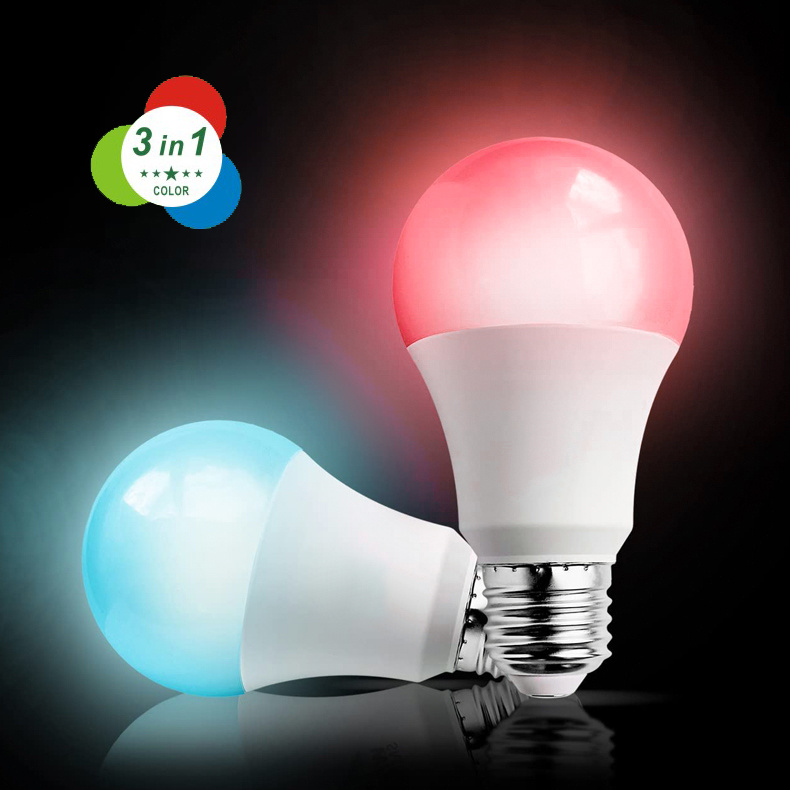
Light colors play a crucial role in setting the mood and creating a specific ambiance. Warm white light, for instance, creates a cozy and intimate atmosphere, making it suitable for bedrooms and living rooms. On the other hand, cool white light is ideal for task-oriented areas such as kitchens or workspaces, as it promotes focus and productivity. Experimenting with different light colors can help achieve the desired effect.
5. Incorporating Dimmers and Controls:
Integrating dimmers and lighting controls adds versatility to any lighting setup. Dimmers allow users to adjust the brightness according to their preferences, creating various moods in a space. Additionally, smart lighting systems enable remote control and automation, enhancing convenience and energy efficiency.
Conclusion:
Lighting a bulb in the interior design industry requires a thoughtful approach to achieve the desired aesthetic and functionality. By understanding bulb types, choosing the right wattage, strategically placing bulbs, utilizing different light colors, and incorporating dimmers and controls, professionals in the industry can create captivating lighting designs. Remember, lighting is an art, and with the right knowledge, you can transform any space into a visually stunning masterpiece.
Lighting plays a crucial role in enhancing the ambiance of any space. In the interior design industry, lighting a bulb correctly is essential to create the desired atmosphere. In this article, we will provide you with practical information on lighting a bulb in the context of the "building and decorative materials - indoor lighting fixtures - other indoor lighting fixtures" sector. Let's delve into the world of lighting and explore useful insights.
1. Understanding Bulb Types:
When it comes to lighting a bulb, it's important to know the different types available. Incandescent, fluorescent, halogen, and LED are some common bulb types used in the interior design industry. Each type has its own advantages and characteristics, making it suitable for specific lighting requirements.
2. Choosing the Right Bulb Wattage:
Selecting the appropriate wattage for a bulb ensures optimal lighting in a space. The wattage determines the brightness of the bulb, and it's important to consider factors such as room size, purpose, and desired ambiance. A higher wattage provides more illumination, while a lower wattage creates a softer, more relaxed atmosphere.
3. Proper Placement of Bulbs:
The placement of bulbs significantly impacts the overall lighting effect. Strategic positioning can highlight architectural features and enhance the visual appeal of a room. Depending on the area's purpose, multiple light sources may be required, such as ceiling fixtures, wall sconces, or floor lamps. Each lighting fixture should be carefully positioned to achieve the desired balance and functionality.
4. Utilizing Different Light Colors:
Light colors play a crucial role in setting the mood and creating a specific ambiance. Warm white light, for instance, creates a cozy and intimate atmosphere, making it suitable for bedrooms and living rooms. On the other hand, cool white light is ideal for task-oriented areas such as kitchens or workspaces, as it promotes focus and productivity. Experimenting with different light colors can help achieve the desired effect.
5. Incorporating Dimmers and Controls:
Integrating dimmers and lighting controls adds versatility to any lighting setup. Dimmers allow users to adjust the brightness according to their preferences, creating various moods in a space. Additionally, smart lighting systems enable remote control and automation, enhancing convenience and energy efficiency.
Conclusion:
Lighting a bulb in the interior design industry requires a thoughtful approach to achieve the desired aesthetic and functionality. By understanding bulb types, choosing the right wattage, strategically placing bulbs, utilizing different light colors, and incorporating dimmers and controls, professionals in the industry can create captivating lighting designs. Remember, lighting is an art, and with the right knowledge, you can transform any space into a visually stunning masterpiece.
lighting a bulb
Related News

undefined

Zhongshan Hongdian Lighting Co., Ltd
Address: NO.18, Xier Rd. , Xinmao Industrial Zone, Henglan,Zhongshan, Guangdong, China
E-mail: sales01@redcle.com
Tel.: +86 15382781111
wechat: fangsheng598