
中
NEWS
20
2023
-
09
Lighting a Bulb: Discovering the Beauty of Interior Lighting Options
Table of Contents:
1. Introduction: The Importance of Interior Lighting
2. Types of Lighting Fixtures
2.1 Pendant Lights: Enhancing Visual Appeal
2.2 Chandeliers: Elegance and Grandeur
2.3 Wall Sconces: Functional and Stylish
2.4 Track Lighting: Versatile and Adjustable
2.5 Recessed Lighting: Subtle Illumination
3. Choosing the Right Light Bulbs
3.1 Incandescent Bulbs: Classic Warmth
3.2 LED Bulbs: Energy Efficiency and Longevity
3.3 Halogen Bulbs: Crisp and Bright
3.4 CFL Bulbs: Compact and Eco-Friendly
4. Lighting Techniques for Different Spaces
4.1 Ambient Lighting: Setting the Mood
4.2 Task Lighting: Focused Illumination
4.3 Accent Lighting: Highlighting Points of Interest
4.4 Natural Lighting: Harnessing the Power of Sunlight
5. Design Trends in Interior Lighting
5.1 Minimalistic Lighting: Embracing Simplicity
5.2 Industrial Lighting: Vintage Charm
5.3 Scandinavian Lighting: Clean and Modern
5.4 Art Deco Lighting: Retro Glamour
6. Frequently Asked Questions (FAQs)
6.1 What are the benefits of LED lighting?
6.2 How do I calculate the right amount of lighting for a room?
6.3 Can I use LED bulbs in my existing fixtures?
6.4 Are there any eco-friendly lighting options?
6.5 How can I create a cozy ambiance with lighting?
7. Conclusion: Illuminate Your Space with Style and Functionality
1. Introduction: The Importance of Interior Lighting
In this era where aesthetics and functionality go hand in hand, interior lighting plays a pivotal role in transforming any space. Whether it's your living room, bedroom, or office, the right lighting sets the mood, enhances visual appeal, and influences overall ambiance. By exploring different lighting options, you can create a captivating and inviting atmosphere that reflects your unique style.
2. Types of Lighting Fixtures
2.1 Pendant Lights: Enhancing Visual Appeal
Pendant lights are versatile fixtures that hang from the ceiling, adding a touch of elegance to any room. With various sizes, shapes, and materials available, pendant lights can be customized to suit your interior design preferences. Whether you prefer a modern, industrial, or classic look, pendant lights offer a wide range of options to elevate your space.
2.2 Chandeliers: Elegance and Grandeur
Chandeliers exude elegance and grandeur, making them a popular choice for formal dining areas and entryways. These decorative fixtures come in various styles, from crystal-draped designs to minimalist and contemporary shapes. Chandeliers not only provide ample lighting but also serve as stunning focal points that enhance the overall visual impact of a room.
2.3 Wall Sconces: Functional and Stylish
Wall sconces are wall-mounted lighting fixtures that offer both functionality and style. These fixtures are perfect for providing task lighting or ambient illumination in hallways, bathrooms, or bedrooms. With a wide array of designs, finishes, and light direction options, wall sconces can effortlessly complement any interior decor theme.
2.4 Track Lighting: Versatile and Adjustable
Track lighting is a versatile option that allows you to direct light to specific areas of a room. Ideal for accentuating artwork, architectural features, or focal points, track lighting offers flexibility in terms of positioning and angle adjustment. With the ability to incorporate multiple fixtures along a track, you can create a customized and dynamic lighting scheme.
2.5 Recessed Lighting: Subtle Illumination
Recessed lighting, also known as can lights or downlights, provides a sleek and minimalist lighting solution. These fixtures are installed into the ceiling, offering a seamless and unobtrusive lighting effect. Whether used for general illumination or to highlight specific areas, recessed lighting creates a clean and modern aesthetic in any space.
3. Choosing the Right Light Bulbs
3.1 Incandescent Bulbs: Classic Warmth
Incandescent bulbs are the traditional choice for warm and cozy lighting. While they are known for their warm light quality, they are less energy-efficient compared to newer alternatives. Incandescent bulbs are gradually being phased out in favor of more efficient options.
3.2 LED Bulbs: Energy Efficiency and Longevity
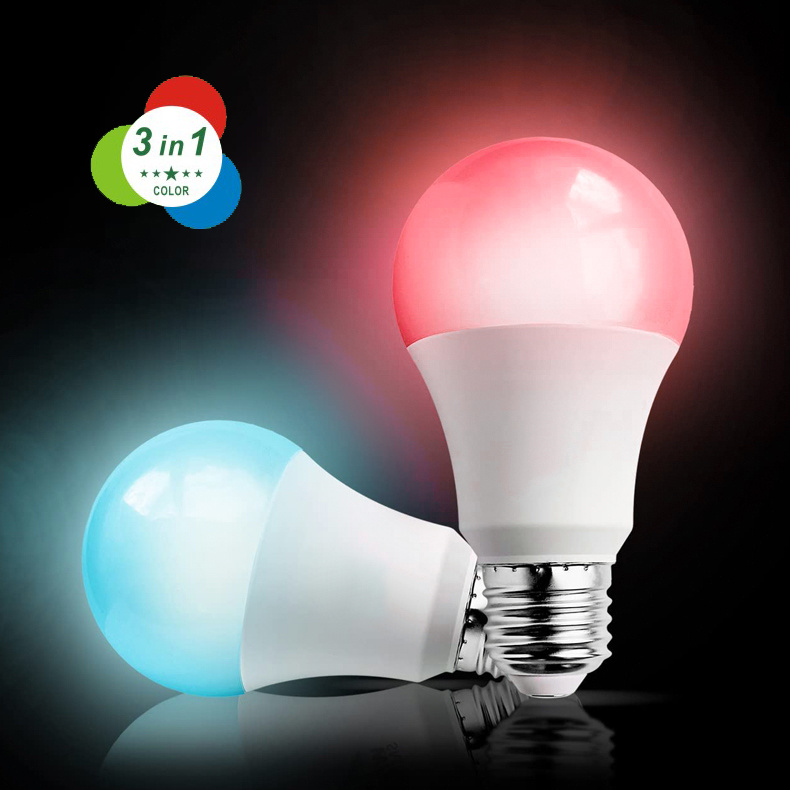
LED bulbs have gained popularity due to their energy efficiency and long lifespan. They produce minimal heat and consume significantly less energy than other types of bulbs. LED bulbs are available in a variety of color temperatures, allowing you to create the desired ambiance in your space.
3.3 Halogen Bulbs: Crisp and Bright
Halogen bulbs offer bright and crisp light, making them ideal for task lighting or accentuating specific areas. They are more energy-efficient than incandescent bulbs but less efficient than LEDs. Halogen bulbs emit a warm and inviting light that adds a touch of sophistication to any room.
3.4 CFL Bulbs: Compact and Eco-Friendly
Compact Fluorescent Lamps (CFLs) are an eco-friendly alternative to traditional incandescent bulbs. They consume less energy and have a longer lifespan. CFL bulbs are available in various color temperatures and can be used in a wide range of fixtures.
4. Lighting Techniques for Different Spaces
4.1 Ambient Lighting: Setting the Mood
Ambient lighting provides overall illumination to a room, creating a comfortable and inviting atmosphere. It serves as the base layer of lighting and ensures a well-lit space. Wall sconces, recessed lighting, or pendant lights can be used to achieve ideal ambient lighting levels.
4.2 Task Lighting: Focused Illumination
Task lighting is essential for activities that require focused illumination, such as reading, cooking, or working. Desk lamps, under-cabinet lighting, or adjustable track lights can be utilized to provide ample light for specific tasks without causing eye strain.
4.3 Accent Lighting: Highlighting Points of Interest
Accent lighting adds drama and visual interest by highlighting specific areas or objects in a room. It can be used to draw attention to artwork, architectural features, or decorative elements. Spotlights, wall-mounted fixtures, or track lighting with adjustable heads can be employed for effective accent lighting.
4.4 Natural Lighting: Harnessing the Power of Sunlight
Natural lighting not only reduces the need for artificial light but also creates a sense of openness and connection with the outdoors. Maximizing natural light through the use of large windows, skylights, or light-colored walls can greatly enhance the overall lighting experience.
5. Design Trends in Interior Lighting
5.1 Minimalistic Lighting: Embracing Simplicity
Minimalistic lighting focuses on clean lines, simple shapes, and uncluttered designs. It aims to create a minimalist and contemporary ambiance by utilizing fixtures with sleek profiles and understated aesthetics. This lighting style is often characterized by the use of recessed lighting, pendant lights with minimalist designs, and linear or track lighting.
5.2 Industrial Lighting: Vintage Charm
Industrial lighting embraces the charm of vintage fixtures and raw materials. It often features exposed bulbs, metal finishes, and rustic designs. Industrial-style lighting can be achieved using pendant lights with exposed filaments, vintage-inspired chandeliers, or wall sconces with an industrial look.
5.3 Scandinavian Lighting: Clean and Modern
Scandinavian lighting design emphasizes functionality, simplicity, and a connection to nature. It incorporates natural materials, such as wood and glass, and features clean lines and organic shapes. Scandinavian-style lighting often includes pendant lights with minimalist designs, floor lamps with adjustable heads, and table lamps with natural materials.
5.4 Art Deco Lighting: Retro Glamour
Art Deco lighting takes inspiration from the Art Deco movement of the early 20th century. It combines geometric shapes, luxurious materials, and intricate details to create a sense of glamour and opulence. Art Deco-style lighting can be achieved using chandeliers with geometric patterns, wall sconces with frosted glass, or table lamps with metallic finishes.
6. Frequently Asked Questions (FAQs)
6.1 What are the benefits of LED lighting?
LED lighting offers several benefits, including energy efficiency, long lifespan, and the ability to customize the color temperature. LED bulbs are also eco-friendly as they do not contain harmful substances like mercury.
6.2 How do I calculate the right amount of lighting for a room?
To calculate the right amount of lighting, you can use a simple formula: multiply the square footage of the room by the desired foot-candle level. Foot-candles refer to the amount of light falling on a surface. Different activities require different foot-candle levels, so consider the room's function when determining the appropriate lighting level.
6.3 Can I use LED bulbs in my existing fixtures?
Yes, in most cases, LED bulbs can be used in existing fixtures. However, it's important to check the compatibility of the fixture and ensure it can handle the wattage and base type of the LED bulb.
6.4 Are there any eco-friendly lighting options?
Yes, there are several eco-friendly lighting options available. LED bulbs, CFL bulbs, and natural lighting solutions are all environmentally friendly choices. These options consume less energy, last longer, and reduce carbon emissions.
6.5 How can I create a cozy ambiance with lighting?
To create a cozy ambiance with lighting, consider using warm white LED bulbs, incorporating dimmers for adjustable lighting levels, and utilizing accent lighting to highlight specific areas or objects. Additionally, using table lamps or wall sconces with soft, diffused lighting can help create a warm and inviting atmosphere.
7. Conclusion: Illuminate Your Space with Style and Functionality
In conclusion, the right interior lighting can transform any space into a captivating oasis of light. By exploring different lighting options, from pendant lights to recessed lighting, and understanding the various lighting techniques and design trends, you can create a personalized ambiance that reflects your unique style. Remember to choose the appropriate light bulbs for energy efficiency and consider the functionality of each lighting fixture. With the right combination of lighting elements, you can illuminate your space with style, functionality, and create an atmosphere that truly enhances your living experience.
1. Introduction: The Importance of Interior Lighting
2. Types of Lighting Fixtures
2.1 Pendant Lights: Enhancing Visual Appeal
2.2 Chandeliers: Elegance and Grandeur
2.3 Wall Sconces: Functional and Stylish
2.4 Track Lighting: Versatile and Adjustable
2.5 Recessed Lighting: Subtle Illumination
3. Choosing the Right Light Bulbs
3.1 Incandescent Bulbs: Classic Warmth
3.2 LED Bulbs: Energy Efficiency and Longevity
3.3 Halogen Bulbs: Crisp and Bright
3.4 CFL Bulbs: Compact and Eco-Friendly
4. Lighting Techniques for Different Spaces
4.1 Ambient Lighting: Setting the Mood
4.2 Task Lighting: Focused Illumination
4.3 Accent Lighting: Highlighting Points of Interest
4.4 Natural Lighting: Harnessing the Power of Sunlight
5. Design Trends in Interior Lighting
5.1 Minimalistic Lighting: Embracing Simplicity
5.2 Industrial Lighting: Vintage Charm
5.3 Scandinavian Lighting: Clean and Modern
5.4 Art Deco Lighting: Retro Glamour
6. Frequently Asked Questions (FAQs)
6.1 What are the benefits of LED lighting?
6.2 How do I calculate the right amount of lighting for a room?
6.3 Can I use LED bulbs in my existing fixtures?
6.4 Are there any eco-friendly lighting options?
6.5 How can I create a cozy ambiance with lighting?
7. Conclusion: Illuminate Your Space with Style and Functionality
1. Introduction: The Importance of Interior Lighting
In this era where aesthetics and functionality go hand in hand, interior lighting plays a pivotal role in transforming any space. Whether it's your living room, bedroom, or office, the right lighting sets the mood, enhances visual appeal, and influences overall ambiance. By exploring different lighting options, you can create a captivating and inviting atmosphere that reflects your unique style.
2. Types of Lighting Fixtures
2.1 Pendant Lights: Enhancing Visual Appeal
Pendant lights are versatile fixtures that hang from the ceiling, adding a touch of elegance to any room. With various sizes, shapes, and materials available, pendant lights can be customized to suit your interior design preferences. Whether you prefer a modern, industrial, or classic look, pendant lights offer a wide range of options to elevate your space.
2.2 Chandeliers: Elegance and Grandeur
Chandeliers exude elegance and grandeur, making them a popular choice for formal dining areas and entryways. These decorative fixtures come in various styles, from crystal-draped designs to minimalist and contemporary shapes. Chandeliers not only provide ample lighting but also serve as stunning focal points that enhance the overall visual impact of a room.
2.3 Wall Sconces: Functional and Stylish
Wall sconces are wall-mounted lighting fixtures that offer both functionality and style. These fixtures are perfect for providing task lighting or ambient illumination in hallways, bathrooms, or bedrooms. With a wide array of designs, finishes, and light direction options, wall sconces can effortlessly complement any interior decor theme.
2.4 Track Lighting: Versatile and Adjustable
Track lighting is a versatile option that allows you to direct light to specific areas of a room. Ideal for accentuating artwork, architectural features, or focal points, track lighting offers flexibility in terms of positioning and angle adjustment. With the ability to incorporate multiple fixtures along a track, you can create a customized and dynamic lighting scheme.
2.5 Recessed Lighting: Subtle Illumination
Recessed lighting, also known as can lights or downlights, provides a sleek and minimalist lighting solution. These fixtures are installed into the ceiling, offering a seamless and unobtrusive lighting effect. Whether used for general illumination or to highlight specific areas, recessed lighting creates a clean and modern aesthetic in any space.
3. Choosing the Right Light Bulbs
3.1 Incandescent Bulbs: Classic Warmth
Incandescent bulbs are the traditional choice for warm and cozy lighting. While they are known for their warm light quality, they are less energy-efficient compared to newer alternatives. Incandescent bulbs are gradually being phased out in favor of more efficient options.
3.2 LED Bulbs: Energy Efficiency and Longevity
LED bulbs have gained popularity due to their energy efficiency and long lifespan. They produce minimal heat and consume significantly less energy than other types of bulbs. LED bulbs are available in a variety of color temperatures, allowing you to create the desired ambiance in your space.
3.3 Halogen Bulbs: Crisp and Bright
Halogen bulbs offer bright and crisp light, making them ideal for task lighting or accentuating specific areas. They are more energy-efficient than incandescent bulbs but less efficient than LEDs. Halogen bulbs emit a warm and inviting light that adds a touch of sophistication to any room.
3.4 CFL Bulbs: Compact and Eco-Friendly
Compact Fluorescent Lamps (CFLs) are an eco-friendly alternative to traditional incandescent bulbs. They consume less energy and have a longer lifespan. CFL bulbs are available in various color temperatures and can be used in a wide range of fixtures.
4. Lighting Techniques for Different Spaces
4.1 Ambient Lighting: Setting the Mood
Ambient lighting provides overall illumination to a room, creating a comfortable and inviting atmosphere. It serves as the base layer of lighting and ensures a well-lit space. Wall sconces, recessed lighting, or pendant lights can be used to achieve ideal ambient lighting levels.
4.2 Task Lighting: Focused Illumination
Task lighting is essential for activities that require focused illumination, such as reading, cooking, or working. Desk lamps, under-cabinet lighting, or adjustable track lights can be utilized to provide ample light for specific tasks without causing eye strain.
4.3 Accent Lighting: Highlighting Points of Interest
Accent lighting adds drama and visual interest by highlighting specific areas or objects in a room. It can be used to draw attention to artwork, architectural features, or decorative elements. Spotlights, wall-mounted fixtures, or track lighting with adjustable heads can be employed for effective accent lighting.
4.4 Natural Lighting: Harnessing the Power of Sunlight
Natural lighting not only reduces the need for artificial light but also creates a sense of openness and connection with the outdoors. Maximizing natural light through the use of large windows, skylights, or light-colored walls can greatly enhance the overall lighting experience.
5. Design Trends in Interior Lighting
5.1 Minimalistic Lighting: Embracing Simplicity
Minimalistic lighting focuses on clean lines, simple shapes, and uncluttered designs. It aims to create a minimalist and contemporary ambiance by utilizing fixtures with sleek profiles and understated aesthetics. This lighting style is often characterized by the use of recessed lighting, pendant lights with minimalist designs, and linear or track lighting.
5.2 Industrial Lighting: Vintage Charm
Industrial lighting embraces the charm of vintage fixtures and raw materials. It often features exposed bulbs, metal finishes, and rustic designs. Industrial-style lighting can be achieved using pendant lights with exposed filaments, vintage-inspired chandeliers, or wall sconces with an industrial look.
5.3 Scandinavian Lighting: Clean and Modern
Scandinavian lighting design emphasizes functionality, simplicity, and a connection to nature. It incorporates natural materials, such as wood and glass, and features clean lines and organic shapes. Scandinavian-style lighting often includes pendant lights with minimalist designs, floor lamps with adjustable heads, and table lamps with natural materials.
5.4 Art Deco Lighting: Retro Glamour
Art Deco lighting takes inspiration from the Art Deco movement of the early 20th century. It combines geometric shapes, luxurious materials, and intricate details to create a sense of glamour and opulence. Art Deco-style lighting can be achieved using chandeliers with geometric patterns, wall sconces with frosted glass, or table lamps with metallic finishes.
6. Frequently Asked Questions (FAQs)
6.1 What are the benefits of LED lighting?
LED lighting offers several benefits, including energy efficiency, long lifespan, and the ability to customize the color temperature. LED bulbs are also eco-friendly as they do not contain harmful substances like mercury.
6.2 How do I calculate the right amount of lighting for a room?
To calculate the right amount of lighting, you can use a simple formula: multiply the square footage of the room by the desired foot-candle level. Foot-candles refer to the amount of light falling on a surface. Different activities require different foot-candle levels, so consider the room's function when determining the appropriate lighting level.
6.3 Can I use LED bulbs in my existing fixtures?
Yes, in most cases, LED bulbs can be used in existing fixtures. However, it's important to check the compatibility of the fixture and ensure it can handle the wattage and base type of the LED bulb.
6.4 Are there any eco-friendly lighting options?
Yes, there are several eco-friendly lighting options available. LED bulbs, CFL bulbs, and natural lighting solutions are all environmentally friendly choices. These options consume less energy, last longer, and reduce carbon emissions.
6.5 How can I create a cozy ambiance with lighting?
To create a cozy ambiance with lighting, consider using warm white LED bulbs, incorporating dimmers for adjustable lighting levels, and utilizing accent lighting to highlight specific areas or objects. Additionally, using table lamps or wall sconces with soft, diffused lighting can help create a warm and inviting atmosphere.
7. Conclusion: Illuminate Your Space with Style and Functionality
In conclusion, the right interior lighting can transform any space into a captivating oasis of light. By exploring different lighting options, from pendant lights to recessed lighting, and understanding the various lighting techniques and design trends, you can create a personalized ambiance that reflects your unique style. Remember to choose the appropriate light bulbs for energy efficiency and consider the functionality of each lighting fixture. With the right combination of lighting elements, you can illuminate your space with style, functionality, and create an atmosphere that truly enhances your living experience.
lighting a bulb
Related News

undefined

Zhongshan Hongdian Lighting Co., Ltd
Address: NO.18, Xier Rd. , Xinmao Industrial Zone, Henglan,Zhongshan, Guangdong, China
E-mail: sales01@redcle.com
Tel.: +86 15382781111
wechat: fangsheng598