
中
NEWS
27
2024
-
01
The Ultimate Guide to Solar Lights for Outdoor Lighting
Solar lights have revolutionized outdoor lighting, offering an eco-friendly and cost-effective solution for illuminating your outdoor spaces. In this comprehensive guide, we will explore the world of solar lights, focusing on their functionality, benefits, and tips for selecting the best solar light for your outdoor needs.
1. How do solar lights work?
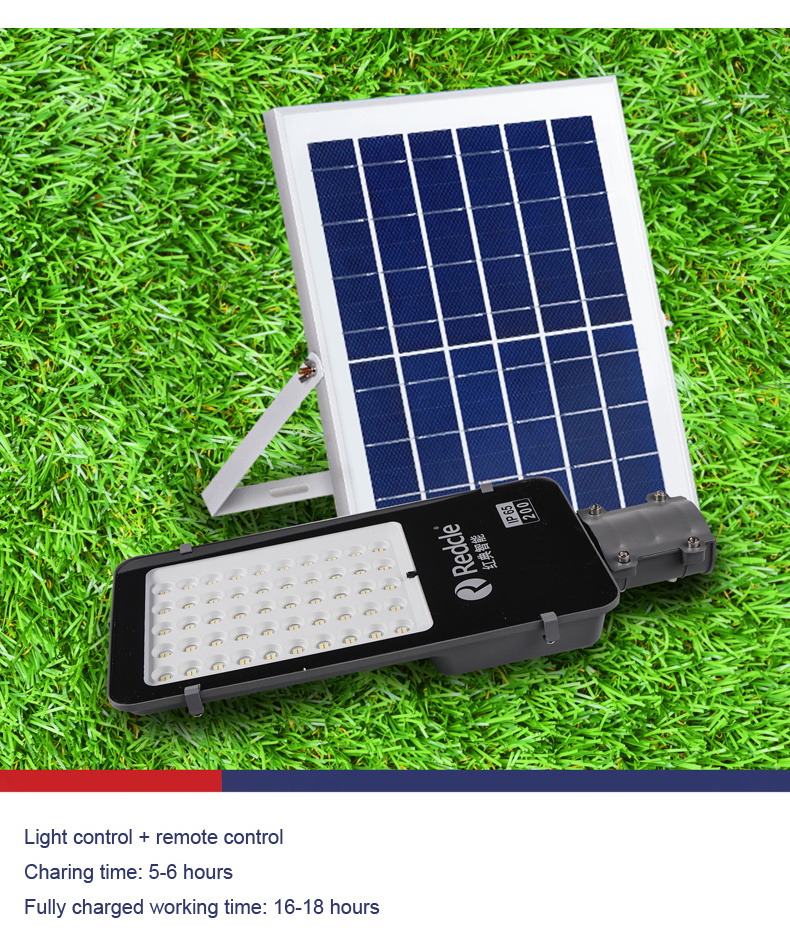
Solar lights harness the power of the sun to generate electricity. They typically consist of four main components: photovoltaic (PV) cells, rechargeable battery, LED lights, and a controller. During the day, the PV cells absorb sunlight and convert it into electricity, which is stored in the battery. As the sun sets, the controller activates the LED lights, using the stored energy to provide illumination throughout the night.
2. What are the benefits of solar lights?
- Energy efficiency: Solar lights rely on renewable energy from the sun, making them an environmentally friendly lighting option.
- Cost savings: Since solar lights don't require electricity from the grid, they can help reduce your energy bills.
- Easy installation: Solar lights are typically wireless and easy to install. They can be placed anywhere in your outdoor space without the need for wiring.
- Low maintenance: Once installed, solar lights require minimal maintenance. Regular cleaning of the solar panels and replacing the batteries when necessary is usually all that's required.
- Versatility: Solar lights come in various designs and styles, allowing you to choose the perfect lighting option for your outdoor decor.
3. Tips for choosing the right solar light:
- Consider the location: Assess the amount of sunlight your outdoor area receives to determine the solar light's charging efficiency. If the area is shaded, select a solar light with a separate solar panel that can be positioned in a sunnier spot.
- Brightness: Check the lumens rating of the solar light to ensure it provides adequate illumination for your needs. Higher lumens indicate brighter light output.
- Battery capacity: Look for a solar light with a sufficient battery capacity to ensure it can provide illumination throughout the night, even during cloudy days.
- Durability: Opt for solar lights made from durable materials that can withstand outdoor elements such as rain, snow, and heat.
- Additional features: Some solar lights offer motion sensors, adjustable settings, or different lighting modes. Consider these features based on your specific requirements.
In conclusion, solar lights offer a practical and sustainable solution for outdoor lighting. With their energy efficiency, cost savings, and easy installation, they have become a popular choice for homeowners and businesses alike. By considering factors such as location, brightness, battery capacity, durability, and additional features, you can select the perfect solar light to enhance your outdoor spaces while reducing your environmental footprint.
1. How do solar lights work?
Solar lights harness the power of the sun to generate electricity. They typically consist of four main components: photovoltaic (PV) cells, rechargeable battery, LED lights, and a controller. During the day, the PV cells absorb sunlight and convert it into electricity, which is stored in the battery. As the sun sets, the controller activates the LED lights, using the stored energy to provide illumination throughout the night.
2. What are the benefits of solar lights?
- Energy efficiency: Solar lights rely on renewable energy from the sun, making them an environmentally friendly lighting option.
- Cost savings: Since solar lights don't require electricity from the grid, they can help reduce your energy bills.
- Easy installation: Solar lights are typically wireless and easy to install. They can be placed anywhere in your outdoor space without the need for wiring.
- Low maintenance: Once installed, solar lights require minimal maintenance. Regular cleaning of the solar panels and replacing the batteries when necessary is usually all that's required.
- Versatility: Solar lights come in various designs and styles, allowing you to choose the perfect lighting option for your outdoor decor.
3. Tips for choosing the right solar light:
- Consider the location: Assess the amount of sunlight your outdoor area receives to determine the solar light's charging efficiency. If the area is shaded, select a solar light with a separate solar panel that can be positioned in a sunnier spot.
- Brightness: Check the lumens rating of the solar light to ensure it provides adequate illumination for your needs. Higher lumens indicate brighter light output.
- Battery capacity: Look for a solar light with a sufficient battery capacity to ensure it can provide illumination throughout the night, even during cloudy days.
- Durability: Opt for solar lights made from durable materials that can withstand outdoor elements such as rain, snow, and heat.
- Additional features: Some solar lights offer motion sensors, adjustable settings, or different lighting modes. Consider these features based on your specific requirements.
In conclusion, solar lights offer a practical and sustainable solution for outdoor lighting. With their energy efficiency, cost savings, and easy installation, they have become a popular choice for homeowners and businesses alike. By considering factors such as location, brightness, battery capacity, durability, and additional features, you can select the perfect solar light to enhance your outdoor spaces while reducing your environmental footprint.
solar light
Related News

undefined

Zhongshan Hongdian Lighting Co., Ltd
Address: NO.18, Xier Rd. , Xinmao Industrial Zone, Henglan,Zhongshan, Guangdong, China
E-mail: sales01@redcle.com
Tel.: +86 15382781111
wechat: fangsheng598