
中
NEWS
21
2024
-
01
The Importance of Proper Indoor Lighting: Enhancing Your Space and Well-being
Table of Contents:
1. Understanding the Impact of Indoor Lighting
2. The Relationship Between Lighting and Well-being
3. Selecting the Right Lighting Fixtures
4. Creating a Harmonious Lighting Design
5. Maximizing Natural Light
6. Utilizing Artificial Lighting Techniques
7. Energy-Efficient Lighting Solutions
8. Frequently Asked Questions (FAQs)
9. Conclusion
Proper indoor lighting plays a crucial role in enhancing the aesthetic appeal and functionality of any space. It goes beyond just illuminating a room; it sets the mood, creates ambiance, and influences our overall well-being. Whether it's a residential area or a commercial establishment, the right lighting can make a significant difference.
Did you know that lighting can have a profound impact on our well-being? Scientific studies reveal that exposure to natural light positively affects our mood, productivity, and overall health. On the other hand, inadequate lighting or harsh artificial lighting can lead to eye strain, fatigue, and even disrupted sleep patterns. By understanding the relationship between lighting and well-being, we can make informed choices to optimize our indoor environments.
Choosing the right lighting fixtures is essential to ensure optimal lighting in your space. Consider the purpose of the room, its size, and the desired ambiance when selecting fixtures. Pendant lights, chandeliers, recessed lights, and track lighting are popular options that provide functional and decorative lighting. Don't forget to factor in energy efficiency and the lifespan of the bulbs when making your selection.
Achieving a harmonious lighting design involves creating a balance between different types of lighting. Layering your lighting sources, such as ambient, task, and accent lighting, can add depth and dimension to your space. Use dimmers to adjust the intensity of the light, allowing you to customize the ambiance for different activities or moods. Consider the color temperature of the bulbs as well, as it can impact the overall feel of the room.
Harnessing natural light is a cost-effective and eco-friendly way to enhance your indoor lighting. Position furniture and reflective surfaces strategically to maximize natural light penetration. Use light-colored curtains or blinds that allow light to filter through while maintaining privacy. Consider installing skylights or larger windows to bring in more natural light, particularly in areas where it may be limited.
In spaces where natural light is insufficient or unavailable, artificial lighting takes center stage. Take advantage of various lighting techniques to create the desired atmosphere. Directional lighting, such as spotlights or track lighting, can highlight specific features or artworks. Wall sconces and floor lamps provide additional layers of lighting and contribute to the overall design aesthetic.
As sustainability becomes increasingly important, opting for energy-efficient lighting solutions is a wise choice. LED lights are a popular option due to their longevity and energy-saving capabilities. They consume less energy, emit less heat, and have a longer lifespan compared to traditional incandescent or fluorescent bulbs. Consider investing in smart lighting systems that allow remote control and scheduling, optimizing energy usage further.
1. How does lighting affect our productivity?
2. What are the benefits of natural light in indoor spaces?
3. How can lighting impact our sleep quality?
4. Are LED lights better for the environment?
5. How can I create a cozy ambiance with lighting?
In conclusion, proper indoor lighting is not just about functionality; it significantly impacts our well-being, mood, and productivity. By understanding the importance of lighting, selecting the right fixtures, and utilizing various techniques, we can create a visually appealing and harmonious space that helps us thrive. Remember to prioritize energy efficiency and explore innovative lighting solutions to optimize both your space and the environment. Illuminate your life with the power of proper indoor lighting.
1. Understanding the Impact of Indoor Lighting
2. The Relationship Between Lighting and Well-being
3. Selecting the Right Lighting Fixtures
4. Creating a Harmonious Lighting Design
5. Maximizing Natural Light
6. Utilizing Artificial Lighting Techniques
7. Energy-Efficient Lighting Solutions
8. Frequently Asked Questions (FAQs)
9. Conclusion
1. Understanding the Impact of Indoor Lighting
Proper indoor lighting plays a crucial role in enhancing the aesthetic appeal and functionality of any space. It goes beyond just illuminating a room; it sets the mood, creates ambiance, and influences our overall well-being. Whether it's a residential area or a commercial establishment, the right lighting can make a significant difference.
2. The Relationship Between Lighting and Well-being
Did you know that lighting can have a profound impact on our well-being? Scientific studies reveal that exposure to natural light positively affects our mood, productivity, and overall health. On the other hand, inadequate lighting or harsh artificial lighting can lead to eye strain, fatigue, and even disrupted sleep patterns. By understanding the relationship between lighting and well-being, we can make informed choices to optimize our indoor environments.
3. Selecting the Right Lighting Fixtures
Choosing the right lighting fixtures is essential to ensure optimal lighting in your space. Consider the purpose of the room, its size, and the desired ambiance when selecting fixtures. Pendant lights, chandeliers, recessed lights, and track lighting are popular options that provide functional and decorative lighting. Don't forget to factor in energy efficiency and the lifespan of the bulbs when making your selection.
4. Creating a Harmonious Lighting Design
Achieving a harmonious lighting design involves creating a balance between different types of lighting. Layering your lighting sources, such as ambient, task, and accent lighting, can add depth and dimension to your space. Use dimmers to adjust the intensity of the light, allowing you to customize the ambiance for different activities or moods. Consider the color temperature of the bulbs as well, as it can impact the overall feel of the room.
5. Maximizing Natural Light
Harnessing natural light is a cost-effective and eco-friendly way to enhance your indoor lighting. Position furniture and reflective surfaces strategically to maximize natural light penetration. Use light-colored curtains or blinds that allow light to filter through while maintaining privacy. Consider installing skylights or larger windows to bring in more natural light, particularly in areas where it may be limited.
6. Utilizing Artificial Lighting Techniques
In spaces where natural light is insufficient or unavailable, artificial lighting takes center stage. Take advantage of various lighting techniques to create the desired atmosphere. Directional lighting, such as spotlights or track lighting, can highlight specific features or artworks. Wall sconces and floor lamps provide additional layers of lighting and contribute to the overall design aesthetic.
7. Energy-Efficient Lighting Solutions
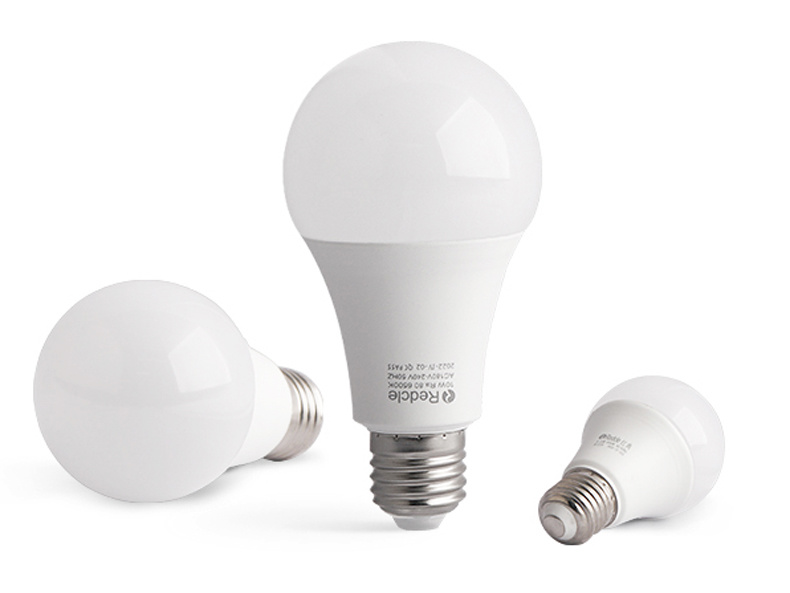
As sustainability becomes increasingly important, opting for energy-efficient lighting solutions is a wise choice. LED lights are a popular option due to their longevity and energy-saving capabilities. They consume less energy, emit less heat, and have a longer lifespan compared to traditional incandescent or fluorescent bulbs. Consider investing in smart lighting systems that allow remote control and scheduling, optimizing energy usage further.
8. Frequently Asked Questions (FAQs)
1. How does lighting affect our productivity?
2. What are the benefits of natural light in indoor spaces?
3. How can lighting impact our sleep quality?
4. Are LED lights better for the environment?
5. How can I create a cozy ambiance with lighting?
9. Conclusion
In conclusion, proper indoor lighting is not just about functionality; it significantly impacts our well-being, mood, and productivity. By understanding the importance of lighting, selecting the right fixtures, and utilizing various techniques, we can create a visually appealing and harmonious space that helps us thrive. Remember to prioritize energy efficiency and explore innovative lighting solutions to optimize both your space and the environment. Illuminate your life with the power of proper indoor lighting.
lighting a bulb
Related News

undefined

Zhongshan Hongdian Lighting Co., Ltd
Address: NO.18, Xier Rd. , Xinmao Industrial Zone, Henglan,Zhongshan, Guangdong, China
E-mail: sales01@redcle.com
Tel.: +86 15382781111
wechat: fangsheng598