
中
NEWS
06
2023
-
09
The Ultimate Guide to Choosing Indoor Lighting Fixtures
Table of Contents:
1. Introduction: Importance of Choosing the Right Indoor Lighting Fixtures
2. Understanding Different Types of Indoor Lighting
3. Factors to Consider When Choosing Indoor Lighting Fixtures
4. Lighting Design Tips for Different Rooms
5. Popular Indoor Lighting Fixture Styles
6. Lighting Controls and Dimmers: Enhancing Flexibility and Ambiance
7. Frequently Asked Questions (FAQs)
8. Conclusion
1. Introduction: Importance of Choosing the Right Indoor Lighting Fixtures
When it comes to creating a comfortable and inviting atmosphere in your home or office, lighting plays a crucial role. The right indoor lighting fixtures not only provide the necessary illumination but also enhance the aesthetics of the space. In this guide, we will delve into the various factors you should consider before making a purchase, helping you select lighting fixtures that meet your specific needs and preferences.
2. Understanding Different Types of Indoor Lighting
Before you embark on your lighting fixture selection journey, it is essential to familiarize yourself with the different types of indoor lighting. These include ambient lighting, task lighting, and accent lighting. Ambient lighting provides overall illumination for a room, while task lighting focuses on specific work areas. Accent lighting, on the other hand, highlights architectural features or specific objects. By understanding these lighting types, you can create a layered and balanced lighting scheme.
3. Factors to Consider When Choosing Indoor Lighting Fixtures
To ensure you make the right choice when selecting indoor lighting fixtures, consider the following factors:
3.1 Room Size and Ceiling Height: The size of the room and the height of the ceiling will influence the type and size of lighting fixtures you should choose. For larger rooms with higher ceilings, consider chandeliers or pendant lights to make a statement. In smaller rooms, recessed lighting or flush mount fixtures can maximize space.
3.2 Purpose of the Room: Determine the primary purpose of the room and how lighting can enhance its functionality. For example, a kitchen may require bright task lighting for food preparation, while a living room may benefit from a combination of ambient and accent lighting for a cozy ambiance.
3.3 Energy Efficiency: Consider energy-efficient lighting options such as LED bulbs, which consume less energy and have a longer lifespan compared to traditional incandescent bulbs. This not only helps reduce your energy bills but also contributes to a sustainable environment.
3.4 Style and Aesthetics: Lighting fixtures come in a wide range of styles, from modern and minimalist to ornate and traditional. Choose fixtures that complement the overall style and decor of your space. Additionally, consider the materials and finishes that will blend seamlessly with your existing furnishings.
4. Lighting Design Tips for Different Rooms
4.1 Living Room: Create a warm and inviting atmosphere by combining ambient lighting with accent lighting. Use floor lamps or table lamps to provide soft, diffused lighting for relaxation, and strategically place wall sconces or picture lights to highlight artwork or architectural elements.
4.2 Kitchen: In the kitchen, prioritize task lighting to ensure sufficient illumination for food preparation and cooking. Install under-cabinet lighting to eliminate shadows on countertops and consider pendant lights above the island for a stylish touch.
4.3 Bedroom: Opt for a combination of ambient lighting and bedside table lamps to create a cozy and calming environment. Install dimmers to adjust the lighting intensity according to your preferences.
4.4 Bathroom: Proper lighting in the bathroom is essential for grooming tasks. Incorporate task lighting around the mirror to eliminate shadows and ensure adequate visibility. Consider sconces or recessed lighting for ambient lighting.
5. Popular Indoor Lighting Fixture Styles
5.1 Chandeliers: Add a touch of elegance and grandeur to your space with chandeliers. From crystal and glass designs to modern and industrial styles, chandeliers come in various sizes and shapes to suit different decor themes.
5.2 Pendant Lights: Versatile and stylish, pendant lights are perfect for illuminating dining tables, kitchen islands, or entryways. Choose from a wide array of designs, including single pendants or multiple pendants grouped together for a statement look.
5.3 Flush Mount and Semi-Flush Mount Fixtures: Ideal for rooms with lower ceilings, flush mount and semi-flush mount fixtures provide a sleek and unobtrusive lighting solution. These fixtures come in various designs, ranging from traditional to contemporary.
5.4 Wall Sconces: Wall sconces are great for adding focused lighting and decorative accents to any room. They are available in a variety of styles, including uplight sconces for indirect lighting or downlight sconces for task-oriented illumination.
6. Lighting Controls and Dimmers: Enhancing Flexibility and Ambiance
To create a customized lighting experience, consider incorporating lighting controls and dimmers. Dimmers allow you to adjust the brightness levels of your fixtures, providing flexibility and control over the ambiance of your space. Smart lighting systems can be programmed to set different lighting scenes or schedules, adding convenience and energy efficiency.
7. Frequently Asked Questions (FAQs)
Q1: What are the benefits of LED lighting?
Q2: Can I install lighting fixtures myself, or do I need professional assistance?
Q3: How do I choose the right bulb wattage for my fixtures?
Q4: Are there any eco-friendly lighting options available?
Q5: How do I clean and maintain my indoor lighting fixtures?
8. Conclusion
In conclusion, selecting the right indoor lighting fixtures involves considering various factors such as room size, ceiling height, purpose of the room, energy efficiency, style, and aesthetics. Understanding different types of indoor lighting and incorporating appropriate lighting design tips for each room will help you create a visually appealing and functional space. Explore popular lighting fixture styles and don't forget to incorporate lighting controls and dimmers for added flexibility. By following this ultimate guide, you can make informed decisions and choose indoor lighting fixtures that perfectly suit your needs and preferences.
1. Introduction: Importance of Choosing the Right Indoor Lighting Fixtures
2. Understanding Different Types of Indoor Lighting
3. Factors to Consider When Choosing Indoor Lighting Fixtures
4. Lighting Design Tips for Different Rooms
5. Popular Indoor Lighting Fixture Styles
6. Lighting Controls and Dimmers: Enhancing Flexibility and Ambiance
7. Frequently Asked Questions (FAQs)
8. Conclusion
1. Introduction: Importance of Choosing the Right Indoor Lighting Fixtures
When it comes to creating a comfortable and inviting atmosphere in your home or office, lighting plays a crucial role. The right indoor lighting fixtures not only provide the necessary illumination but also enhance the aesthetics of the space. In this guide, we will delve into the various factors you should consider before making a purchase, helping you select lighting fixtures that meet your specific needs and preferences.
2. Understanding Different Types of Indoor Lighting
Before you embark on your lighting fixture selection journey, it is essential to familiarize yourself with the different types of indoor lighting. These include ambient lighting, task lighting, and accent lighting. Ambient lighting provides overall illumination for a room, while task lighting focuses on specific work areas. Accent lighting, on the other hand, highlights architectural features or specific objects. By understanding these lighting types, you can create a layered and balanced lighting scheme.
3. Factors to Consider When Choosing Indoor Lighting Fixtures
To ensure you make the right choice when selecting indoor lighting fixtures, consider the following factors:
3.1 Room Size and Ceiling Height: The size of the room and the height of the ceiling will influence the type and size of lighting fixtures you should choose. For larger rooms with higher ceilings, consider chandeliers or pendant lights to make a statement. In smaller rooms, recessed lighting or flush mount fixtures can maximize space.
3.2 Purpose of the Room: Determine the primary purpose of the room and how lighting can enhance its functionality. For example, a kitchen may require bright task lighting for food preparation, while a living room may benefit from a combination of ambient and accent lighting for a cozy ambiance.
3.3 Energy Efficiency: Consider energy-efficient lighting options such as LED bulbs, which consume less energy and have a longer lifespan compared to traditional incandescent bulbs. This not only helps reduce your energy bills but also contributes to a sustainable environment.
3.4 Style and Aesthetics: Lighting fixtures come in a wide range of styles, from modern and minimalist to ornate and traditional. Choose fixtures that complement the overall style and decor of your space. Additionally, consider the materials and finishes that will blend seamlessly with your existing furnishings.
4. Lighting Design Tips for Different Rooms
4.1 Living Room: Create a warm and inviting atmosphere by combining ambient lighting with accent lighting. Use floor lamps or table lamps to provide soft, diffused lighting for relaxation, and strategically place wall sconces or picture lights to highlight artwork or architectural elements.
4.2 Kitchen: In the kitchen, prioritize task lighting to ensure sufficient illumination for food preparation and cooking. Install under-cabinet lighting to eliminate shadows on countertops and consider pendant lights above the island for a stylish touch.
4.3 Bedroom: Opt for a combination of ambient lighting and bedside table lamps to create a cozy and calming environment. Install dimmers to adjust the lighting intensity according to your preferences.
4.4 Bathroom: Proper lighting in the bathroom is essential for grooming tasks. Incorporate task lighting around the mirror to eliminate shadows and ensure adequate visibility. Consider sconces or recessed lighting for ambient lighting.
5. Popular Indoor Lighting Fixture Styles
5.1 Chandeliers: Add a touch of elegance and grandeur to your space with chandeliers. From crystal and glass designs to modern and industrial styles, chandeliers come in various sizes and shapes to suit different decor themes.
5.2 Pendant Lights: Versatile and stylish, pendant lights are perfect for illuminating dining tables, kitchen islands, or entryways. Choose from a wide array of designs, including single pendants or multiple pendants grouped together for a statement look.
5.3 Flush Mount and Semi-Flush Mount Fixtures: Ideal for rooms with lower ceilings, flush mount and semi-flush mount fixtures provide a sleek and unobtrusive lighting solution. These fixtures come in various designs, ranging from traditional to contemporary.
5.4 Wall Sconces: Wall sconces are great for adding focused lighting and decorative accents to any room. They are available in a variety of styles, including uplight sconces for indirect lighting or downlight sconces for task-oriented illumination.
6. Lighting Controls and Dimmers: Enhancing Flexibility and Ambiance
To create a customized lighting experience, consider incorporating lighting controls and dimmers. Dimmers allow you to adjust the brightness levels of your fixtures, providing flexibility and control over the ambiance of your space. Smart lighting systems can be programmed to set different lighting scenes or schedules, adding convenience and energy efficiency.
7. Frequently Asked Questions (FAQs)
Q1: What are the benefits of LED lighting?
Q2: Can I install lighting fixtures myself, or do I need professional assistance?
Q3: How do I choose the right bulb wattage for my fixtures?
Q4: Are there any eco-friendly lighting options available?
Q5: How do I clean and maintain my indoor lighting fixtures?
8. Conclusion
In conclusion, selecting the right indoor lighting fixtures involves considering various factors such as room size, ceiling height, purpose of the room, energy efficiency, style, and aesthetics. Understanding different types of indoor lighting and incorporating appropriate lighting design tips for each room will help you create a visually appealing and functional space. Explore popular lighting fixture styles and don't forget to incorporate lighting controls and dimmers for added flexibility. By following this ultimate guide, you can make informed decisions and choose indoor lighting fixtures that perfectly suit your needs and preferences.
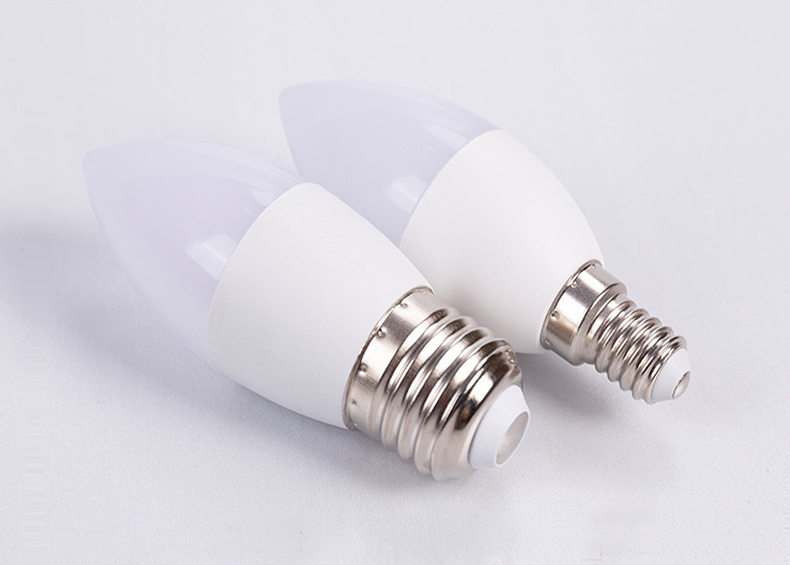
lighting a bulb
Related News

undefined

Zhongshan Hongdian Lighting Co., Ltd
Address: NO.18, Xier Rd. , Xinmao Industrial Zone, Henglan,Zhongshan, Guangdong, China
E-mail: sales01@redcle.com
Tel.: +86 15382781111
wechat: fangsheng598