
中
NEWS
30
2023
-
08
Illuminate Your Outdoor Space with Solar Lights: Enhance Your Nights and Showcase Your Style
Table of Contents
1. Understanding Solar Lights: Harnessing the Power of the Sun
2. The Benefits of Solar Lights: Eco-Friendly and Cost-Effective Lighting
3. Choosing the Right Solar Lights: Factors to Consider
4. Installation Made Easy: Setting Up Solar Lights in Your Outdoor Space
5. Maximizing Solar Power: Tips for Optimal Performance
6. Maintenance and Care: Keeping Your Solar Lights Shining Bright
7. Showcasing Your Style: Innovative Designs for Every Outdoor Setting
8. Frequently Asked Questions (FAQs)
a. How do solar lights work?
b. Are solar lights weather-resistant?
c. Can solar lights be used in shady areas?
d. How long do solar lights last?
e. Do solar lights require batteries?
9. Conclusion: Embrace the Beauty and Efficiency of Solar Lights
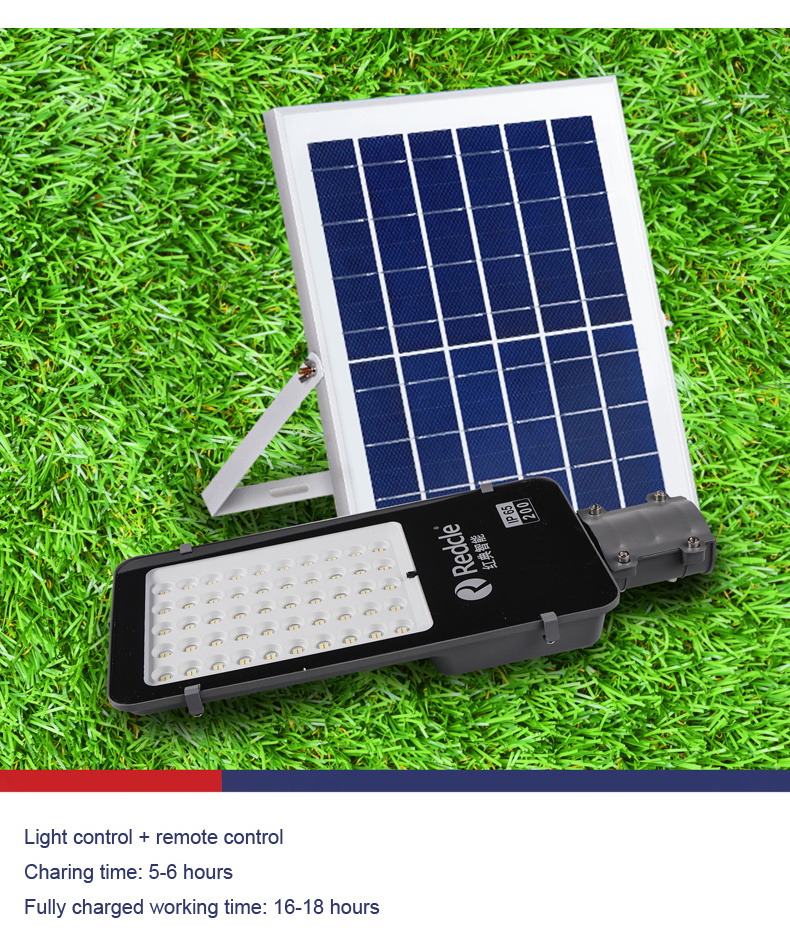
Solar lights utilize photovoltaic cells to convert sunlight into electricity. During the day, the solar panel absorbs sunlight and stores the energy in rechargeable batteries. As dusk falls, the built-in sensors activate the lights, providing a soft and welcoming glow to your outdoor space.
Solar lights offer numerous advantages that make them a popular choice for outdoor lighting. By harnessing solar power, these lights help reduce reliance on traditional electricity sources, resulting in lower energy costs and a smaller carbon footprint. Additionally, solar lights are easy to install and require minimal maintenance, making them a convenient and hassle-free lighting option.
When selecting solar lights, consider factors such as brightness, battery life, and design. Opt for lights with adjustable brightness settings to suit different lighting needs. Ensure that the batteries have sufficient capacity to provide extended illumination throughout the night. Additionally, choose lights that complement your outdoor aesthetic, whether it's sleek and modern or rustic and charming.
Installing solar lights is a straightforward process that requires minimal tools and expertise. Most solar lights come with stakes or mounting brackets for easy placement in the ground or on walls. Prioritize positioning the solar panel in a location that receives ample sunlight during the day. Proper placement ensures optimal charging and illumination at night.
To maximize the performance of your solar lights, ensure that the solar panel is clean and free from dirt or debris. Regularly wipe the panel with a soft cloth to maintain its efficiency. Additionally, consider adjusting the angle of the solar panel to capture the maximum amount of sunlight. During the winter months or in areas with limited sunlight, you may need to relocate your lights to ensure adequate charging.
Solar lights require minimal maintenance to keep them shining bright. Regularly check for any obstructions around the solar panel, such as overgrown plants or fallen leaves. Clean the lights and panels periodically to remove dirt and grime. If your solar lights have replaceable batteries, ensure they are replaced as needed to maintain optimal performance.
Solar lights come in a variety of designs to suit any outdoor style. Whether you prefer path lights to guide your way or decorative lanterns to create a cozy atmosphere, there are options to match your aesthetic. Explore innovative designs such as color-changing lights or string lights to add a whimsical touch to your outdoor space. With solar lights, you can showcase your style while illuminating your surroundings.
Solar lights work by converting sunlight into electricity through photovoltaic cells. This energy is stored in rechargeable batteries and used to power the lights at night.
Most solar lights are designed to be weather-resistant, capable of withstanding various outdoor elements. However, it's essential to check the product specifications for specific weather resistance ratings.
Solar lights rely on sunlight for charging, so they may not perform optimally in shady areas. However, certain solar lights are designed to generate power even in low-light conditions, making them suitable for partially shaded areas.
The lifespan of solar lights varies depending on the quality of the product and the frequency of use. High-quality solar lights can last up to 10 years or more with proper maintenance.
Yes, solar lights require rechargeable batteries to store the energy collected from the sun. It's important to replace these batteries when they no longer hold a charge.
Illuminate your outdoor space with solar lights and experience the beauty and efficiency they bring. By harnessing the power of the sun, you can create a magical ambiance while reducing your environmental impact. With easy installation, minimal maintenance, and a wide range of stylish designs, solar lights offer a practical and sustainable lighting solution for any outdoor setting. Upgrade your nights and showcase your style with solar lights today.
1. Understanding Solar Lights: Harnessing the Power of the Sun
2. The Benefits of Solar Lights: Eco-Friendly and Cost-Effective Lighting
3. Choosing the Right Solar Lights: Factors to Consider
4. Installation Made Easy: Setting Up Solar Lights in Your Outdoor Space
5. Maximizing Solar Power: Tips for Optimal Performance
6. Maintenance and Care: Keeping Your Solar Lights Shining Bright
7. Showcasing Your Style: Innovative Designs for Every Outdoor Setting
8. Frequently Asked Questions (FAQs)
a. How do solar lights work?
b. Are solar lights weather-resistant?
c. Can solar lights be used in shady areas?
d. How long do solar lights last?
e. Do solar lights require batteries?
9. Conclusion: Embrace the Beauty and Efficiency of Solar Lights
1. Understanding Solar Lights: Harnessing the Power of the Sun
Solar lights utilize photovoltaic cells to convert sunlight into electricity. During the day, the solar panel absorbs sunlight and stores the energy in rechargeable batteries. As dusk falls, the built-in sensors activate the lights, providing a soft and welcoming glow to your outdoor space.
2. The Benefits of Solar Lights: Eco-Friendly and Cost-Effective Lighting
Solar lights offer numerous advantages that make them a popular choice for outdoor lighting. By harnessing solar power, these lights help reduce reliance on traditional electricity sources, resulting in lower energy costs and a smaller carbon footprint. Additionally, solar lights are easy to install and require minimal maintenance, making them a convenient and hassle-free lighting option.
3. Choosing the Right Solar Lights: Factors to Consider
When selecting solar lights, consider factors such as brightness, battery life, and design. Opt for lights with adjustable brightness settings to suit different lighting needs. Ensure that the batteries have sufficient capacity to provide extended illumination throughout the night. Additionally, choose lights that complement your outdoor aesthetic, whether it's sleek and modern or rustic and charming.
4. Installation Made Easy: Setting Up Solar Lights in Your Outdoor Space
Installing solar lights is a straightforward process that requires minimal tools and expertise. Most solar lights come with stakes or mounting brackets for easy placement in the ground or on walls. Prioritize positioning the solar panel in a location that receives ample sunlight during the day. Proper placement ensures optimal charging and illumination at night.
5. Maximizing Solar Power: Tips for Optimal Performance
To maximize the performance of your solar lights, ensure that the solar panel is clean and free from dirt or debris. Regularly wipe the panel with a soft cloth to maintain its efficiency. Additionally, consider adjusting the angle of the solar panel to capture the maximum amount of sunlight. During the winter months or in areas with limited sunlight, you may need to relocate your lights to ensure adequate charging.
6. Maintenance and Care: Keeping Your Solar Lights Shining Bright
Solar lights require minimal maintenance to keep them shining bright. Regularly check for any obstructions around the solar panel, such as overgrown plants or fallen leaves. Clean the lights and panels periodically to remove dirt and grime. If your solar lights have replaceable batteries, ensure they are replaced as needed to maintain optimal performance.
7. Showcasing Your Style: Innovative Designs for Every Outdoor Setting
Solar lights come in a variety of designs to suit any outdoor style. Whether you prefer path lights to guide your way or decorative lanterns to create a cozy atmosphere, there are options to match your aesthetic. Explore innovative designs such as color-changing lights or string lights to add a whimsical touch to your outdoor space. With solar lights, you can showcase your style while illuminating your surroundings.
8. Frequently Asked Questions (FAQs)
a. How do solar lights work?
Solar lights work by converting sunlight into electricity through photovoltaic cells. This energy is stored in rechargeable batteries and used to power the lights at night.
b. Are solar lights weather-resistant?
Most solar lights are designed to be weather-resistant, capable of withstanding various outdoor elements. However, it's essential to check the product specifications for specific weather resistance ratings.
c. Can solar lights be used in shady areas?
Solar lights rely on sunlight for charging, so they may not perform optimally in shady areas. However, certain solar lights are designed to generate power even in low-light conditions, making them suitable for partially shaded areas.
d. How long do solar lights last?
The lifespan of solar lights varies depending on the quality of the product and the frequency of use. High-quality solar lights can last up to 10 years or more with proper maintenance.
e. Do solar lights require batteries?
Yes, solar lights require rechargeable batteries to store the energy collected from the sun. It's important to replace these batteries when they no longer hold a charge.
9. Conclusion: Embrace the Beauty and Efficiency of Solar Lights
Illuminate your outdoor space with solar lights and experience the beauty and efficiency they bring. By harnessing the power of the sun, you can create a magical ambiance while reducing your environmental impact. With easy installation, minimal maintenance, and a wide range of stylish designs, solar lights offer a practical and sustainable lighting solution for any outdoor setting. Upgrade your nights and showcase your style with solar lights today.
solar light
Related News

undefined

Zhongshan Hongdian Lighting Co., Ltd
Address: NO.18, Xier Rd. , Xinmao Industrial Zone, Henglan,Zhongshan, Guangdong, China
E-mail: sales01@redcle.com
Tel.: +86 15382781111
wechat: fangsheng598